


Trying to keep up with digital right now as a small business owner can feel like a lot. AI is changing how people search and evaluate businesses. New tools and platforms keep showing up. There is constant pressure to do more, move faster, and stay current.
And if you are working with a fixed marketing budget, it also raises the practical question of where you should actually focus.
This post kicks off a new series built to answer that. Over the next few months, we’ll be breaking down the core areas of your digital presence and helping you understand what matters most, what can wait, and where your time and budget will have the greatest impact. Starting with your website.
What Your Website Actually Needs in 2026
1. A clear first impression
When someone lands on your site, they are trying to quickly understand what you do, who you help, and why it matters. If it isn’t obvious right away, most people will leave. This is where many websites struggle, and it’s often less of a design issue and more of a messaging issue.
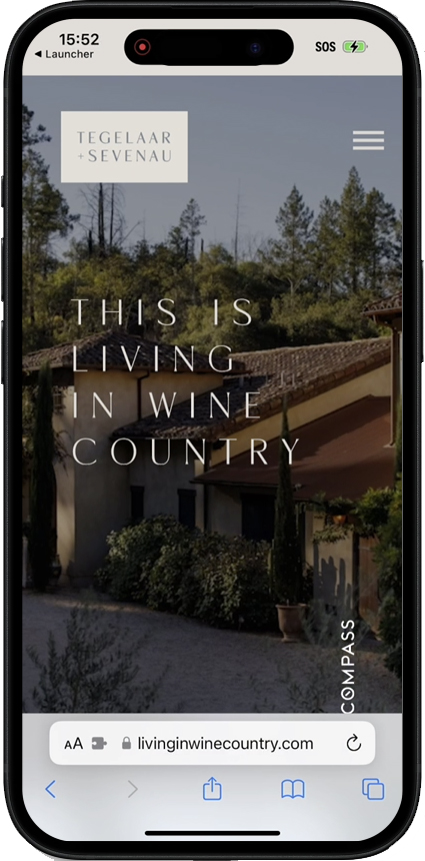
A good example of how to do this right is the Living in Wine Country’s real estate website, where our focus was not just on creating something visually appealing, but on making the experience intuitive and easy to navigate from the start. That clarity helps users immediately understand what the site offers and how to engage with it.
2. A simple path forward
Your website should make it easy for visitors to take the next step, whether that is booking a call, requesting a quote, or learning more about a specific service. When that path is clear, site performance, (and sales pipeline), tends to improve.
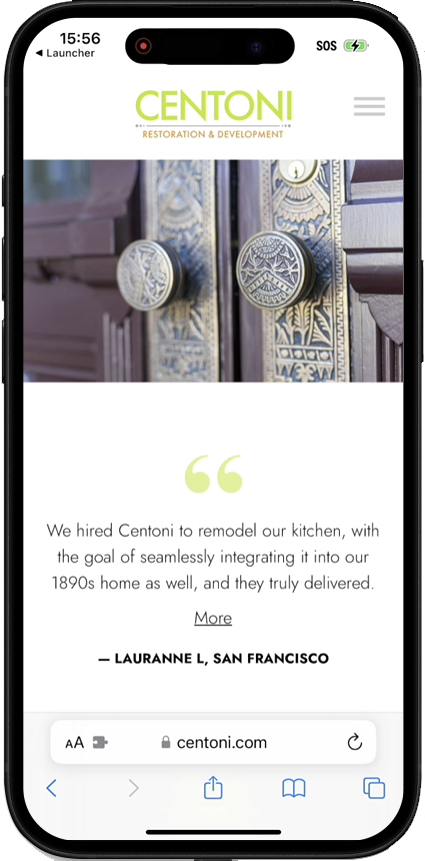
For Centoni Restoration and Development, simplifying the structure of their site and aligning it more closely with how users search and engage helped turn more visits into real inquiries.
3. Content that answers real questions
You don’t need more content in 2026, you need more useful content. Focusing on the questions your audience is already asking, and answering them in a clear, practical way helps people find you and build trust, whether they are coming from search, AI tools, or referrals.
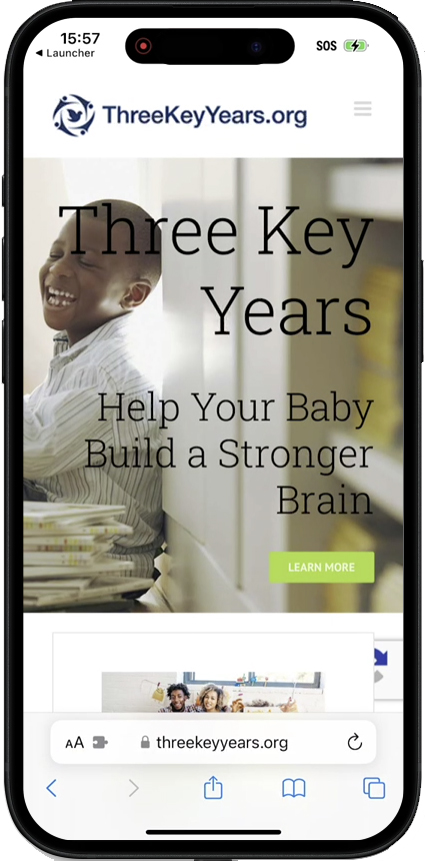
We have seen this play out with organizations like Three Key Years, where consistent, relevant content helped expand their reach and connect with a broader audience. It also reflects a broader shift outlined in our post on why websites still matter in the age of AI, where depth and clarity matter more than volume.
4. A site that works the way people expect
This is the part that often gets overlooked. Your site should load quickly, work well on mobile, and function without errors. Many performance gains can come from improving these fundamentals rather than adding new features.
But “working well” also includes how a site behaves from a user trust perspective. People expect transparency, especially when it comes to things like data use and tracking. When that experience feels unclear or overly aggressive, it creates friction before someone even engages with your content.
This is why even small UX elements matter. For example, cookie consent experiences are now a standard part of how websites signal trust and respect user control. When they are handled poorly, they interrupt the experience. If handled well, they fade into the background and support a smoother interaction overall.
5. The ability to update without friction
Your website should not feel “locked”. You should be able to make updates without it turning into a major project. This becomes especially important as your business evolves.
It also matters more now because digital expectations move faster than traditional website cycles. Businesses are no longer treating websites and digital marketing programs as things that get revisited every few years. They are treating them as living systems that need to evolve, and ship, continuously.
What You Can Worry Less About
Every new trend or tool does not need to be adopted right away. Focus on what supports your goals. For example:
- Fancy features and animations can look nice, but they rarely drive decisions on their own.
- Endless pages and blog posts are not the goal. Clear and useful content is.
- Starting with design instead of message is another common trap–if your message is unclear, design will not fix it.
 A Simple Way to Evaluate Your Website
If you are not sure where your site stands, start here by answering these questions:
- Is it clear what we do and who we help?
- Is it obvious what someone should do next?
- Does our content reflect how we actually work?
- Is the site easy to use on any device?
- Can we update it without hassle?
If the answer to most of these is yes, you are in a strong position. If not, those are the areas worth focusing on first.
If You’re Feeling Stuck
You don’t need to fix everything at once. Start with clarity, then improve the path to action, then refine your content. Those changes tend to have the biggest impact. And if you need help, contact us. We have 30 years of experience guiding our clients to their best digital presence.
In the next posts in this series, we will walk through other parts of a digital presence and offer guidance about where to focus and where to simplify.
WebSight Design is a full-service digital agency delivering website design and development, digital marketing, SEO and AEO, content strategy, UX/UI design, Business AI services, and integrated technology solutions. We help businesses of all sizes create impactful digital experiences that drive engagement, growth, and measurable results.
FAQs
Do I need to redesign my website to improve performance?
Not always. Many websites improve significantly by clarifying messaging, simplifying navigation, and improving content without a full redesign.
How do I decide where to invest if my budget is limited?
Start with the areas that directly impact understanding and conversion. Clear messaging, strong calls to action, and useful content usually provide the highest return.
Is more content always better for SEO?
No. Relevance and quality matter more than volume. A smaller number of strong pages often performs better than a large number of weak ones.
Do I need advanced features like chatbots or AI tools on my site?
Only if they solve a specific problem for your users. If they do not improve the experience or help move someone toward a decision, they are not necessary.
What is the most important role of a website in 2026?
To clearly communicate your value and make it easy for the right people to take the next step.

